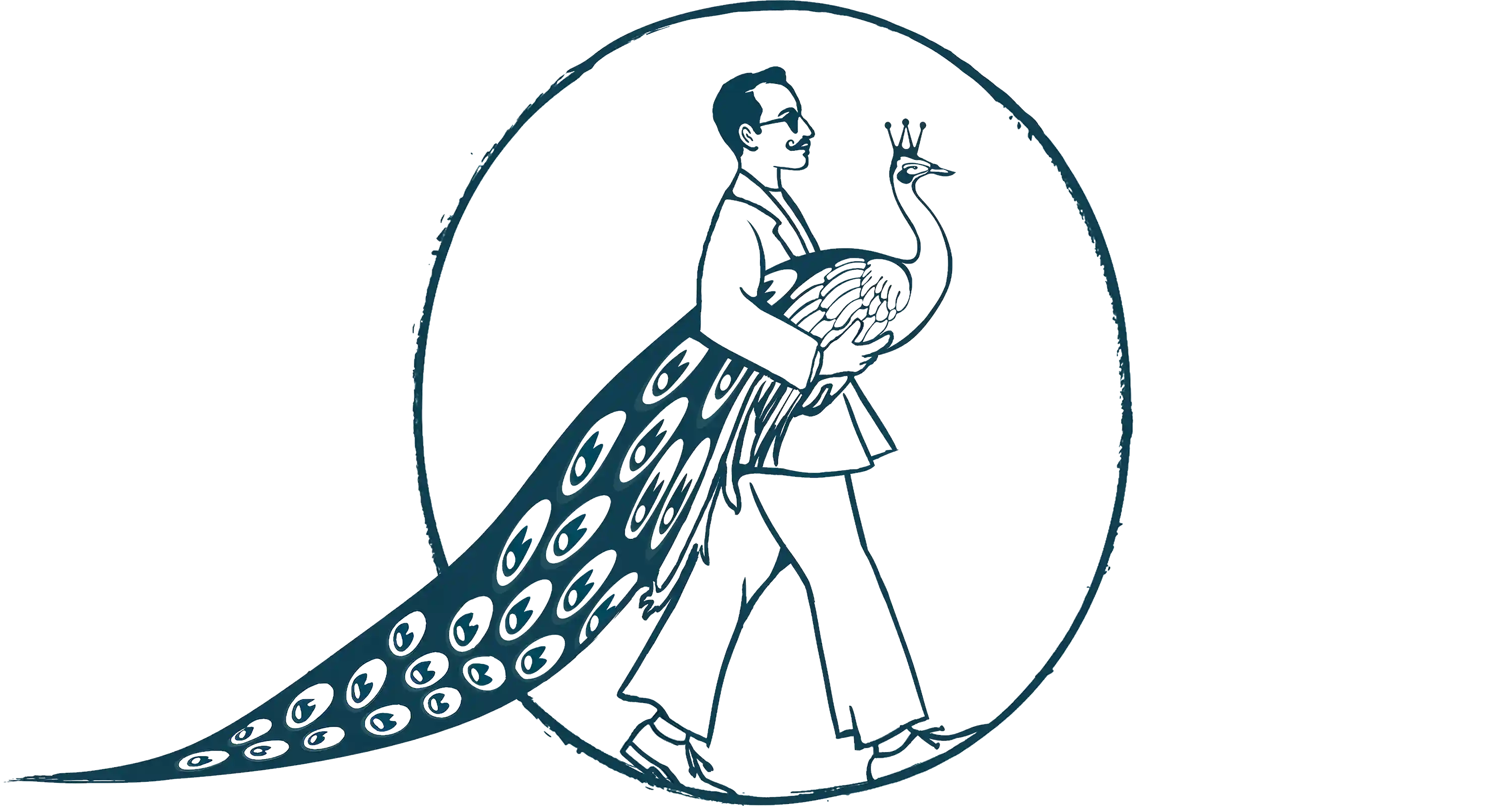
only one
of us is real
A philosopher, a peacock & the one thing automation can't touch
A philosopher, a peacock & the one thing automation can't touch
A philosopher, a peacock & the one thing automation can't touch
In 1936, Walter Benjamin wrote an essay about what happens to creative work when you can reproduce it infinitely.
His argument was that a copy could never be as special as the original. Every time you copy something, a small thing dies in the copy. He called that thing the aura. At the time, photography was considered by some to be the technology that'll replace fine arts. So he was writing about photography. But looking back from today, it was just the beginning.
In 1936, Walter Benjamin wrote an essay about what happens to creative work when you can reproduce it infinitely.
His argument was that a copy could never be as special as the original. Every time you copy something, a small thing dies in the copy. He called that thing the aura. At the time, photography was considered by some to be the technology that'll replace fine arts. So he was writing about photography. But looking back from today, it was just the beginning.
In 1936, Walter Benjamin wrote an essay about what happens to creative work when you can reproduce it infinitely.
His argument was that a copy could never be as special as the original. Every time you copy something, a small thing dies in the copy. He called that thing the aura. At the time, photography was considered by some to be the technology that'll replace fine arts. So he was writing about photography. But looking back from today, it was just the beginning.
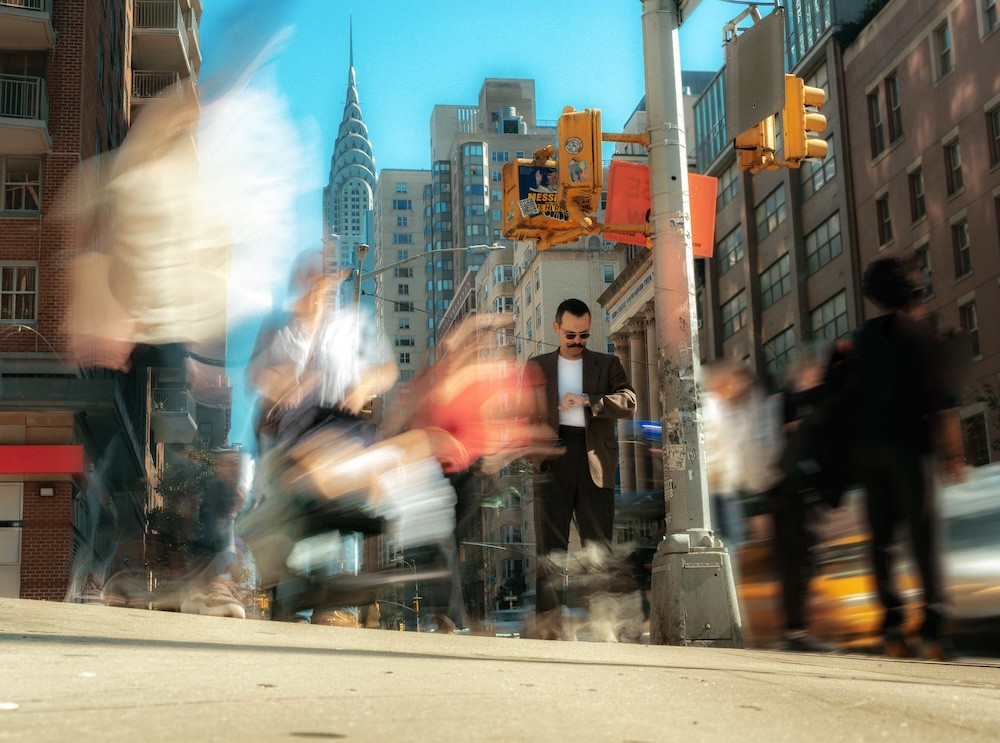
Everyone drinks matcha,
everyone seems to be going places.
Everybody seems to be going places
Everyone drinks matcha,
everyone seems to be going places.
At the time Benjamin wrote this, the world had just gone from spending one's life with a handful of people and a bunch of cows to watching strangers who live on a distant part of the world for pleasure, otherwise known as cinema.
The moving image became such a common pastime that fine artists like painters were starting to feel afraid of being replaced by this new tech. Technologies introduced in the previous decades were all becoming mainstream, being weaponized by oppressive politics, transforming daily life, and causing social upheaval.
Sounds familiar?
Today, we have technologies far more impressive. We also have matcha, and a compulsive need to record everything around us to broadcast a polished version of ourselves. Technically matcha is a tea, but our society is so advanced that you can get it with almost anything but tea, as long as it's lucrative for the VC behind the coffee chain. Walk into any busy intersection and you'll see the urban animal, clutching his matcha as he rushes to somewhere he'll document immediately, and not even remember the next day.
At the time Benjamin wrote this, the world had just gone from spending one's life with a handful of people and a bunch of cows to watching strangers who live on a distant part of the world for pleasure, otherwise known as cinema.
The moving image became such a common pastime that fine artists like painters were starting to feel afraid of being replaced by this new tech. Technologies introduced in the previous decades were all becoming mainstream, being weaponized by oppressive politics, transforming daily life, and causing social upheaval.
Sounds familiar?
Today, we have technologies far more impressive. We also have matcha, and a compulsive need to record everything around us to broadcast a polished version of ourselves. Technically matcha is a tea, but our society is so advanced that you can get it with almost anything but tea, as long as it's lucrative for the VC behind the coffee chain. Walk into any busy intersection and you'll see the urban animal, clutching his matcha as he rushes to somewhere he'll document immediately, and not even remember the next day.
At the time Benjamin wrote this, the world had just gone from spending one's life with a handful of people and a bunch of cows to watching strangers who live on a distant part of the world for pleasure, otherwise known as cinema.
The moving image became such a common pastime that fine artists like painters were starting to feel afraid of being replaced by this new tech. Technologies introduced in the previous decades were all becoming mainstream, being weaponized by oppressive politics, transforming daily life, and causing social upheaval.
Sounds familiar?
Today, we have technologies far more impressive. We also have matcha, and a compulsive need to record everything around us to broadcast a polished version of ourselves. Technically matcha is a tea, but our society is so advanced that you can get it with almost anything but tea, as long as it's lucrative for the VC behind the coffee chain. Walk into any busy intersection and you'll see the urban animal, clutching his matcha as he rushes to somewhere he'll document immediately, and not even remember the next day.
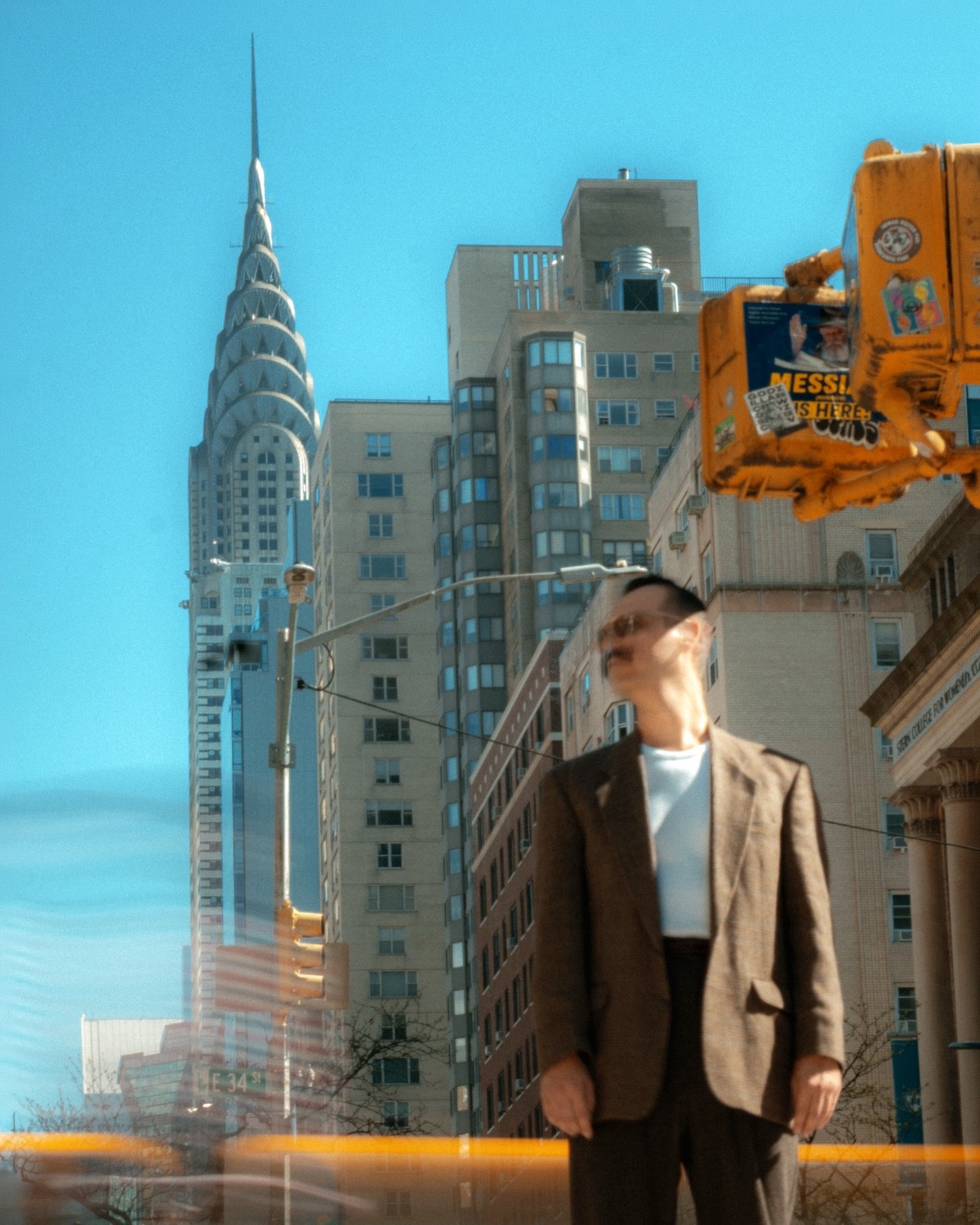
Matcha tastes like sweat juice
and I'm not late for anything
Matcha tastes like sweat juice and I'm not late for anything
Matcha tastes like sweat juice and I'm not late for anything
I can hear you say helloooo with a vocal fry straight out of a Y2K chick flick. And you're right to call me out: Artificial Intelligence. How could I forget to mention that we have invented the mothership of all inventions: Artificial Intelligence.
To be frank, I just wanted to be careful mentioning AI, because the AI conversation is becoming a mildly disturbing circus. AI is actually the content farm's favorite topic now. And it's no surprise. Algorithms reward triggering strong emotions. And what better way to trigger people's fears than implying they'll lose their jobs, right? It's so bad that if you google AI, like silly old me here, hoping to actually learn something, chances are you'll end up in a wild ocean of a big nothingburger, optimized to get clicks at best.
But I'm so sick of strangers telling me what to do so. All they do is make me feel late to the party. So instead, I'll just say what I actually feel in my gut. Based on nothing but my life's work, all the friends, clients, degrees, rejections, failures, paperwork, languages and experiences I collected so far in 5 countries and 3 continents.
And here is what that looks like:
I think matcha tastes like sweat juice and I'm not late for anything. I think AI is going to be extraordinary for humanity. So if you're thinking, like me, that you completely missed the gold rush, be grateful that you did. Think of the online talk surrounding AI right now as the pre-party, a freak show of some sorts, if you will. The freaks will perform to grab their quick cash, and leave the stage to those who think big, long and, dare I say it, fair.
So in a way, it's the perfect time to make up your mind and move.
I can hear you say helloooo with a vocal fry straight out of a Y2K chick flick. And you're right to call me out: Artificial Intelligence. How could I forget to mention that we have invented the mothership of all inventions: Artificial Intelligence.
To be frank, I just wanted to be careful mentioning AI, because the AI conversation is becoming a mildly disturbing circus. AI is actually the content farm's favorite topic now. And it's no surprise. Algorithms reward triggering strong emotions. And what better way to trigger people's fears than implying they'll lose their jobs, right? It's so bad that if you google AI, like silly old me here, hoping to actually learn something, chances are you'll end up in a wild ocean of a big nothingburger, optimized to get clicks at best.
But I'm so sick of strangers telling me what to do so. All they do is make me feel late to the party. So instead, I'll just say what I actually feel in my gut. Based on nothing but my life's work, all the friends, clients, degrees, rejections, failures, paperwork, languages and experiences I collected so far in 5 countries and 3 continents.
And here is what that looks like:
I think matcha tastes like sweat juice and I'm not late for anything. I think AI is going to be extraordinary for humanity. So if you're thinking, like me, that you completely missed the gold rush, be grateful that you did. Think of the online talk surrounding AI right now as the pre-party, a freak show of some sorts, if you will. The freaks will perform to grab their quick cash, and leave the stage to those who think big, long and, dare I say it, fair.
So in a way, it's the perfect time to make up your mind and move.
I can hear you say helloooo with a vocal fry straight out of a Y2K chick flick. And you're right to call me out: Artificial Intelligence. How could I forget to mention that we have invented the mothership of all inventions: Artificial Intelligence.
To be frank, I just wanted to be careful mentioning AI, because the AI conversation is becoming a mildly disturbing circus. AI is actually the content farm's favorite topic now. And it's no surprise. Algorithms reward triggering strong emotions. And what better way to trigger people's fears than implying they'll lose their jobs, right? It's so bad that if you google AI, like silly old me here, hoping to actually learn something, chances are you'll end up in a wild ocean of a big nothingburger, optimized to get clicks at best.
But I'm so sick of strangers telling me what to do so. All they do is make me feel late to the party. So instead, I'll just say what I actually feel in my gut. Based on nothing but my life's work, all the friends, clients, degrees, rejections, failures, paperwork, languages and experiences I collected so far in 5 countries and 3 continents.
And here is what that looks like:
I think matcha tastes like sweat juice and I'm not late for anything. I think AI is going to be extraordinary for humanity. So if you're thinking, like me, that you completely missed the gold rush, be grateful that you did. Think of the online talk surrounding AI right now as the pre-party, a freak show of some sorts, if you will. The freaks will perform to grab their quick cash, and leave the stage to those who think big, long and, dare I say it, fair.
So in a way, it's the perfect time to make up your mind and move.
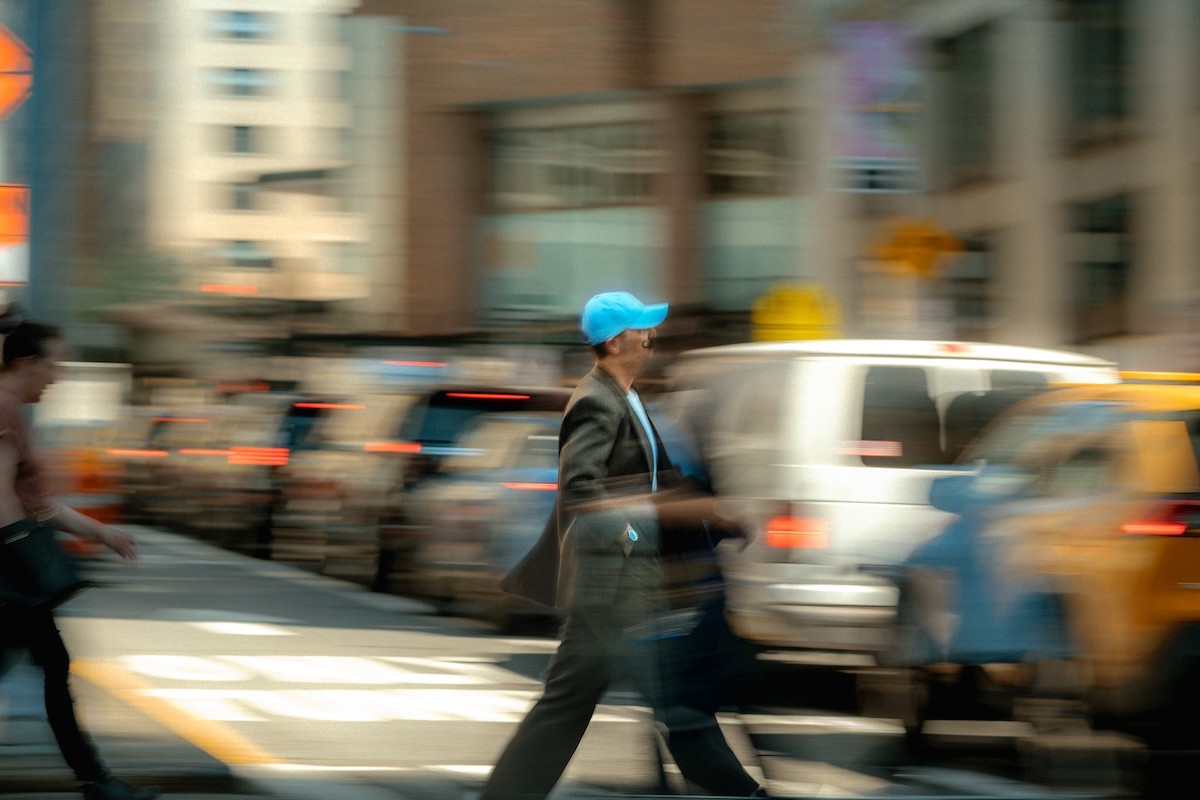
— hold on, I'm on my way to find actual people on LinkedIn
— hold on, I'm on my way to find actual people on LinkedIn
— hold on, I'm on my way to find actual people on LinkedIn
Benjamin was talking about photographs and artwork being reproduced. That was the foundation of his ideas. Simple enough, right?
Today, the situation is much worse than he could ever imagine. What's at risk of being reproduced is almost everything that makes a person an actual person. You see, an actual person has a voice. They have opinions, they reject, accept or get confused about things. Today, all of that range is gone. Because we mostly communicate online these days, our personas are optimized, flattened, and fed back to us in the ideal format the algorithm approves of.
Think of the LinkedIn posts people write using an algorithm. I bet I cannot find a single person on this planet who actually enjoys what LinkedIn has become. Every time I'm on there, I feel like I've stepped into a Kazuo Ishiguro novel. Everyone on LinkedIn is performing a version of themselves they think they want to become, but it's all batch written by the same generative language model.
There is no aura on LinkedIn. There are barely people on there these days. But I know this won't last forever and I'm determined to take the bullet, so I keep moving. Somewhere out there, there are people who want to build things. Real things that bring real value to the world, things that speak with a genuine voice to move those who get it.
I want to find those people and build with them.
Benjamin was talking about photographs and artwork being reproduced. That was the foundation of his ideas. Simple enough, right?
Today, the situation is much worse than he could ever imagine. What's at risk of being reproduced is almost everything that makes a person an actual person. You see, an actual person has a voice. They have opinions, they reject, accept or get confused about things. Today, all of that range is gone. Because we mostly communicate online these days, our personas are optimized, flattened, and fed back to us in the ideal format the algorithm approves of.
Think of the LinkedIn posts people write using an algorithm. I bet I cannot find a single person on this planet who actually enjoys what LinkedIn has become. Every time I'm on there, I feel like I've stepped into a Kazuo Ishiguro novel. Everyone on LinkedIn is performing a version of themselves they think they want to become, but it's all batch written by the same generative language model.
There is no aura on LinkedIn. There are barely people on there these days. But I know this won't last forever and I'm determined to take the bullet, so I keep moving. Somewhere out there, there are people who want to build things. Real things that bring real value to the world, things that speak with a genuine voice to move those who get it.
I want to find those people and build with them.
O brother,
where art thou?
O brother,
where art thou?
O brother,
where art thou?
Benjamin defined aura as that feeling you get when you know something could only have come from one specific place. Like an old friend. Like a word you know could only be said by that one person in your life.
Aura is voice.
I think on some level everyone knows something is off. We all feel that nothing lasts longer than a minute. When was the last time you heard someone casually share an unfiltered opinion that shifted the way you think? Or actually come up with a silly yet fresh take on a hot topic. Heck, we're so crippled by fear that we can't even form opinions anymore.
In the age of automation, aura is about to disappear.
Benjamin defined aura as that feeling you get when you know something could only have come from one specific place. Like an old friend. Like a word you know could only be said by that one person in your life.
Aura is voice.
I think on some level everyone knows something is off. We all feel that nothing lasts longer than a minute. When was the last time you heard someone casually share an unfiltered opinion that shifted the way you think? Or actually come up with a silly yet fresh take on a hot topic. Heck, we're so crippled by fear that we can't even form opinions anymore.
In the age of automation, aura is about to disappear.
Benjamin defined aura as that feeling you get when you know something could only have come from one specific place. Like an old friend. Like a word you know could only be said by that one person in your life.
Aura is voice.
I think on some level everyone knows something is off. We all feel that nothing lasts longer than a minute. When was the last time you heard someone casually share an unfiltered opinion that shifted the way you think? Or actually come up with a silly yet fresh take on a hot topic. Heck, we're so crippled by fear that we can't even form opinions anymore.
In the age of automation, aura is about to disappear.
Somewhere between
manbuns & labubus —
Somewhere between
manbuns & labubus —
Somewhere between
manbuns & labubus —
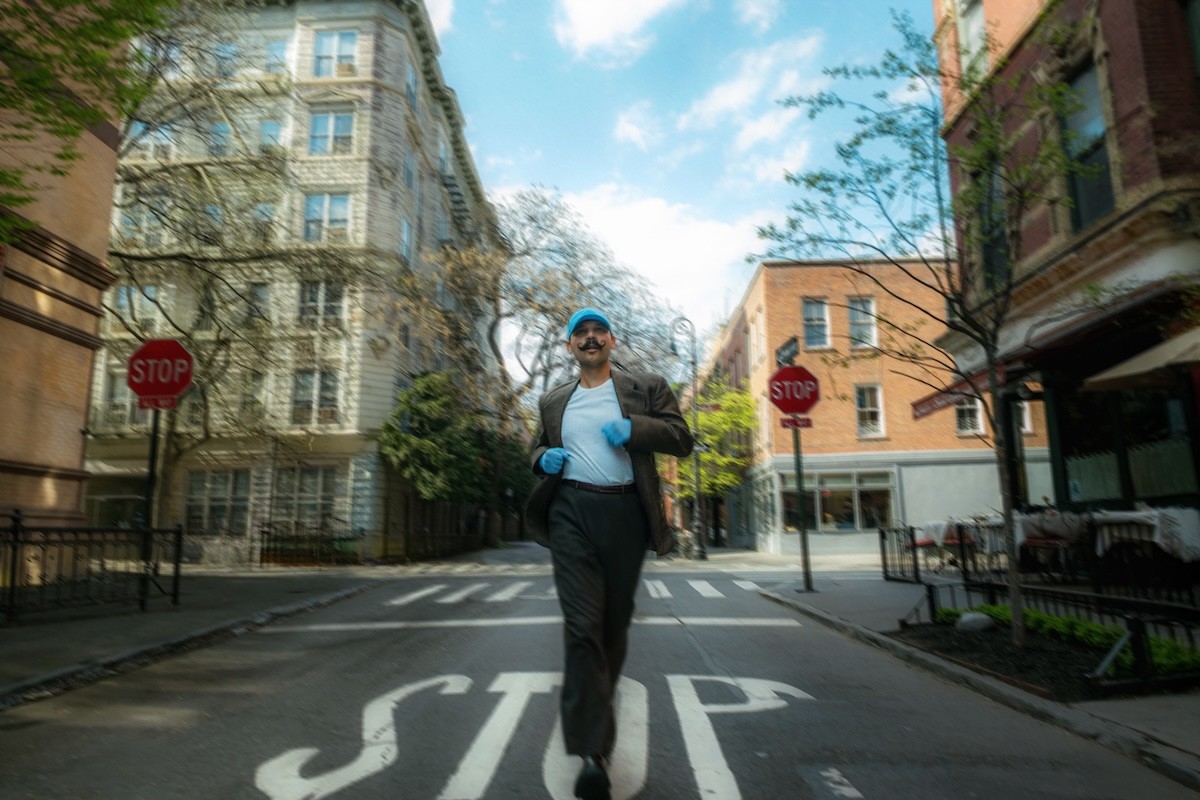
— we lost the ability to form opinions about things. And I don't mean controversial opinions. I mean any opinion. A take on something you casually thought about, perhaps over lunch. We don't do that anymore.
So what fills the gap? Other people's opinions, of course. All we see in meetings, panels, comment sections, or even on stage is scattered echoes of other people's opinions. Saying what you calculate to be safe rather than what you actually think is now the norm. And there is nothing safer than saying things that have already passed the vibe check.
— we lost the ability to form opinions about things. And I don't mean controversial opinions. I mean any opinion. A take on something you casually thought about, perhaps over lunch. We don't do that anymore.
So what fills the gap? Other people's opinions, of course. All we see in meetings, panels, comment sections, or even on stage is scattered echoes of other people's opinions. Saying what you calculate to be safe rather than what you actually think is now the norm. And there is nothing safer than saying things that have already passed the vibe check.
— we lost the ability to form opinions about things. And I don't mean controversial opinions. I mean any opinion. A take on something you casually thought about, perhaps over lunch. We don't do that anymore.
So what fills the gap? Other people's opinions, of course. All we see in meetings, panels, comment sections, or even on stage is scattered echoes of other people's opinions. Saying what you calculate to be safe rather than what you actually think is now the norm. And there is nothing safer than saying things that have already passed the vibe check.
Read one more word
and you'll hurl
Read one more word
and you'll hurl
Read one more word
and you'll hurl
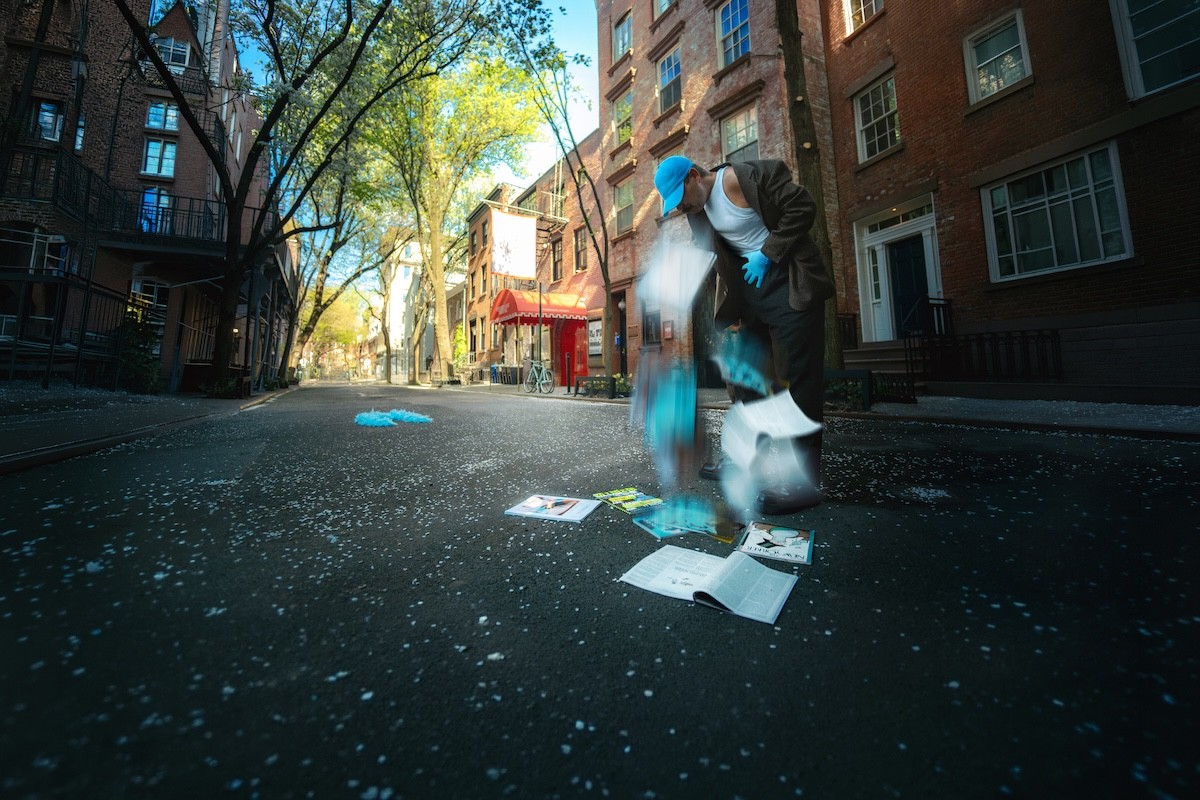
The irony that comes with it though is that the opinions we borrow do not even come from actual people. People barely interact in person anymore, so our perception is shaped through online interactions. And where does that online content come from? LLMs, of course.
So the handful of ideas we keep hearing everywhere, are basically the same generic takes, repackaged and served back to us over and over again until no one can remember who thought of them first.
Benjamin said authenticity is only achieved through the presence of the original. I guess there is only one way to find out if that actually holds true.
Word vomit.
The irony that comes with it though is that the opinions we borrow do not even come from actual people. People barely interact in person anymore, so our perception is shaped through online interactions. And where does that online content come from? LLMs, of course.
So the handful of ideas we keep hearing everywhere, are basically the same generic takes, repackaged and served back to us over and over again until no one can remember who thought of them first.
Benjamin said authenticity is only achieved through the presence of the original. I guess there is only one way to find out if that actually holds true.
Word vomit.
The irony that comes with it though is that the opinions we borrow do not even come from actual people. People barely interact in person anymore, so our perception is shaped through online interactions. And where does that online content come from? LLMs, of course.
So the handful of ideas we keep hearing everywhere, are basically the same generic takes, repackaged and served back to us over and over again until no one can remember who thought of them first.
Benjamin said authenticity is only achieved through the presence of the original. I guess there is only one way to find out if that actually holds true.
Word vomit.
Delete the apps.
Yes. Substack too.
Delete the apps.
Yes. Substack too.
Delete the apps.
Yes. Substack too.
I'm talking about a big fat purge. Delete the app. Yes, Substack too.
There is a reason why the wellness industry is pushing 7 billion as of 2026. There is a reason why Jumbo, a supermarket chain in the Netherlands had to introduce Kletskassa, chat checkouts to help elderly people combat lonelines. There is a reason why knitting on the subway is cool now: we want out.
We are desperately yearning for a version of the world that hasn’t been optimized for a VC’s exit strategy. We’ve stripped everything enjoyable out of daily life and now we’re trying to buy it back in installments.
But we can’t step into the same river twice, can we? If we want to build something of our own in this day and age, whatever that may be, the first step would be to stop performing a version of ourselves for the algorithm. Only then, it seems, we can gradually build back that little something nobody can take from us.
Our aura.
I'm talking about a big fat purge. Delete the app. Yes, Substack too.
There is a reason why the wellness industry is pushing 7 billion as of 2026. There is a reason why Jumbo, a supermarket chain in the Netherlands had to introduce Kletskassa, chat checkouts to help elderly people combat loneliness. There is a reason why knitting on the subway is cool now: we want out.
We are desperately yearning for a version of the world that hasn’t been optimized for a VC’s exit strategy. We’ve stripped everything enjoyable out of daily life and now we’re trying to buy it back in installments.
But we can’t step into the same river twice, can we? If we want to build something of our own in this day and age, whatever that may be, the first step would be to stop performing a version of ourselves for the algorithm. Only then, it seems, we can gradually build back that little something nobody can take from us.
Our aura.
I'm talking about a big fat purge. Delete the app. Yes, Substack too.
There is a reason why the wellness industry is pushing 7 billion as of 2026. There is a reason why Jumbo, a supermarket chain in the Netherlands had to introduce Kletskassa, chat checkouts to help elderly people combat lonelines. There is a reason why knitting on the subway is cool now: we want out.
We are desperately yearning for a version of the world that hasn’t been optimized for a VC’s exit strategy. We’ve stripped everything enjoyable out of daily life and now we’re trying to buy it back in installments.
But we can’t step into the same river twice, can we? If we want to build something of our own in this day and age, whatever that may be, the first step would be to stop performing a version of ourselves for the algorithm. Only then, it seems, we can gradually build back that little something nobody can take from us.
Our aura.
Hunting down the difficult,
Hunting down the aura
Hunting down the difficult,
Hunting down the aura
Hunting down the difficult,
Hunting down the aura
Benjamin was terrified of the copy because it was too easy. It lacked the physical weight of the original.
For one thing, the original was messy. It was the fruit of difficult labor, typically years in the making but produced at one specific point in time, earning itself the famous aura, which makes it impossible to recreate.
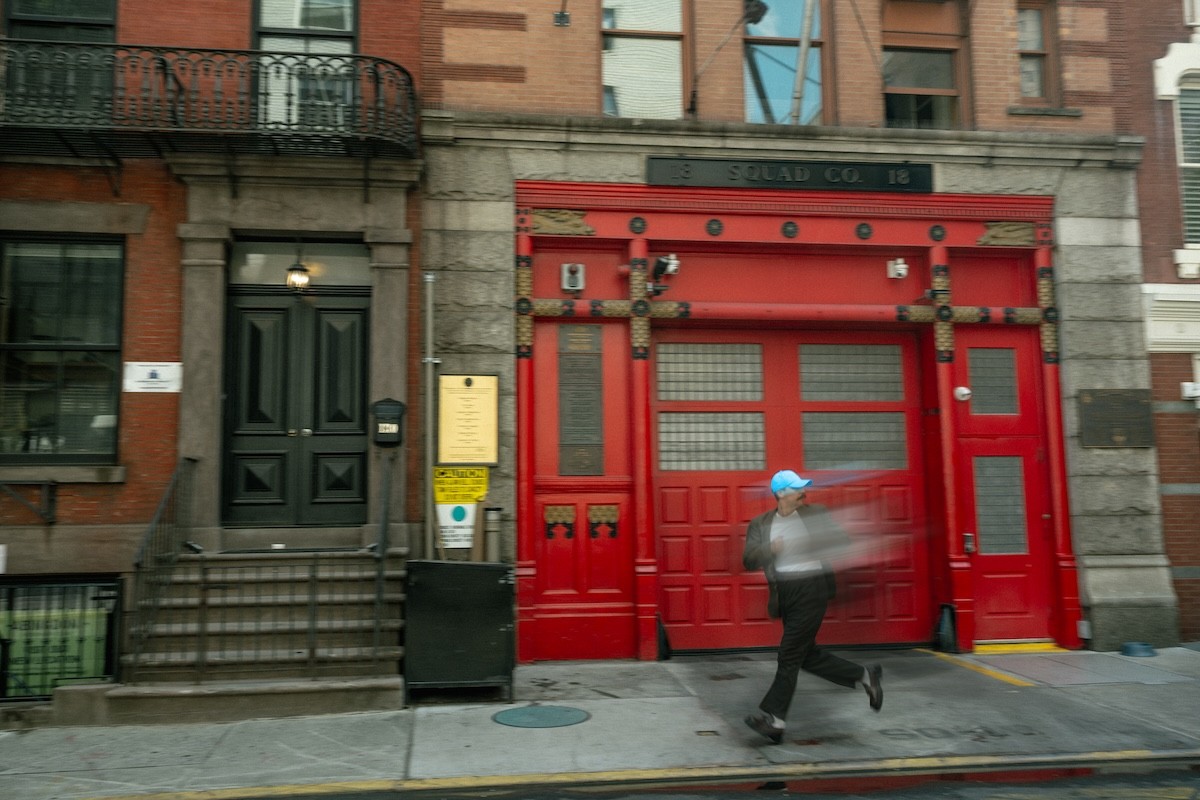
I can't help but wonder where that kind of difficult labor happens these days. I actually went on a hunt recently, trying to catch a glimpse of it on the streets of NYC. Our tech focuses on minimizing friction, not encouraging difficulty. So it was not an easy hunt, to say the least.
Benjamin was terrified of the copy because it was too easy. It lacked the physical weight of the original.
For one thing, the original was messy. It was the fruit of difficult labor, typically years in the making but produced at one specific point in time, earning itself the famous aura, which makes it impossible to recreate.
I can't help but wonder where that kind of difficult labor happens these days. I actually went on a hunt recently, trying to catch a glimpse of it on the streets of NYC. Our tech focuses on minimizing friction, not encouraging difficulty. So it was not an easy hunt, to say the least.
Benjamin was terrified of the copy because it was too easy. It lacked the physical weight of the original.
For one thing, the original was messy. It was the fruit of difficult labor, typically years in the making but produced at one specific point in time, earning itself the famous aura, which makes it impossible to recreate.
I can't help but wonder where that kind of difficult labor happens these days. I actually went on a hunt recently, trying to catch a glimpse of it on the streets of NYC. Our tech focuses on minimizing friction, not encouraging difficulty. So it was not an easy hunt, to say the least.
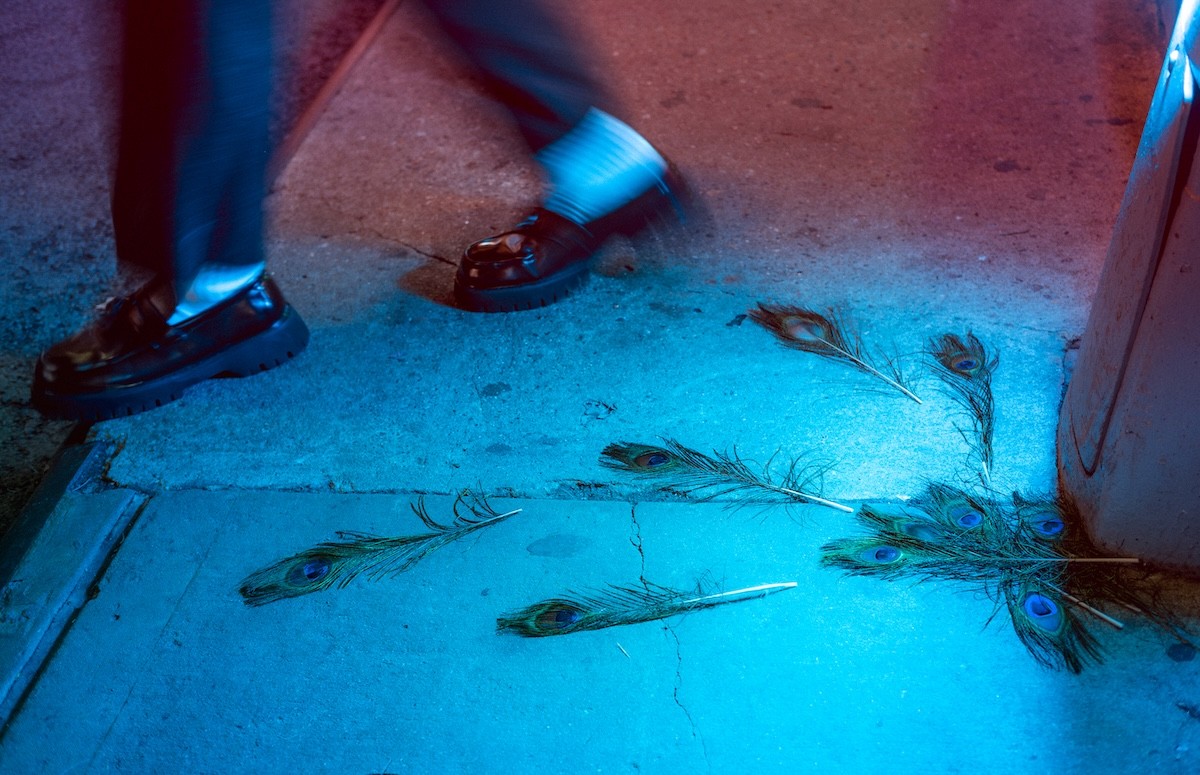
You would think a place like New York would be full of difficult labor, right? It probably is. But I didn't even know what exactly I was searching for.
Which is the whole point, I guess. Experimentation is messy, unpolished, and one of the few remaining ways to build something genuinely magnetic these days.
When you let yourself play, the thing you were actually looking for tends to find you first.
You would think a place like New York would be full of difficult labor, right? It probably is. But I didn't even know what exactly I was searching for.
Which is the whole point, I guess. Experimentation is messy, unpolished, and one of the few remaining ways to build something genuinely magnetic these days.
When you let yourself play, the thing you were actually looking for tends to find you first.
You would think a place like New York would be full of difficult labor, right? It probably is. But I didn't even know what exactly I was searching for.
Which is the whole point, I guess. Experimentation is messy, unpolished, and one of the few remaining ways to build something genuinely magnetic these days.
When you let yourself play, the thing you were actually looking for tends to find you first.
petra
the peacock
petra
the peacock
petra
the peacock
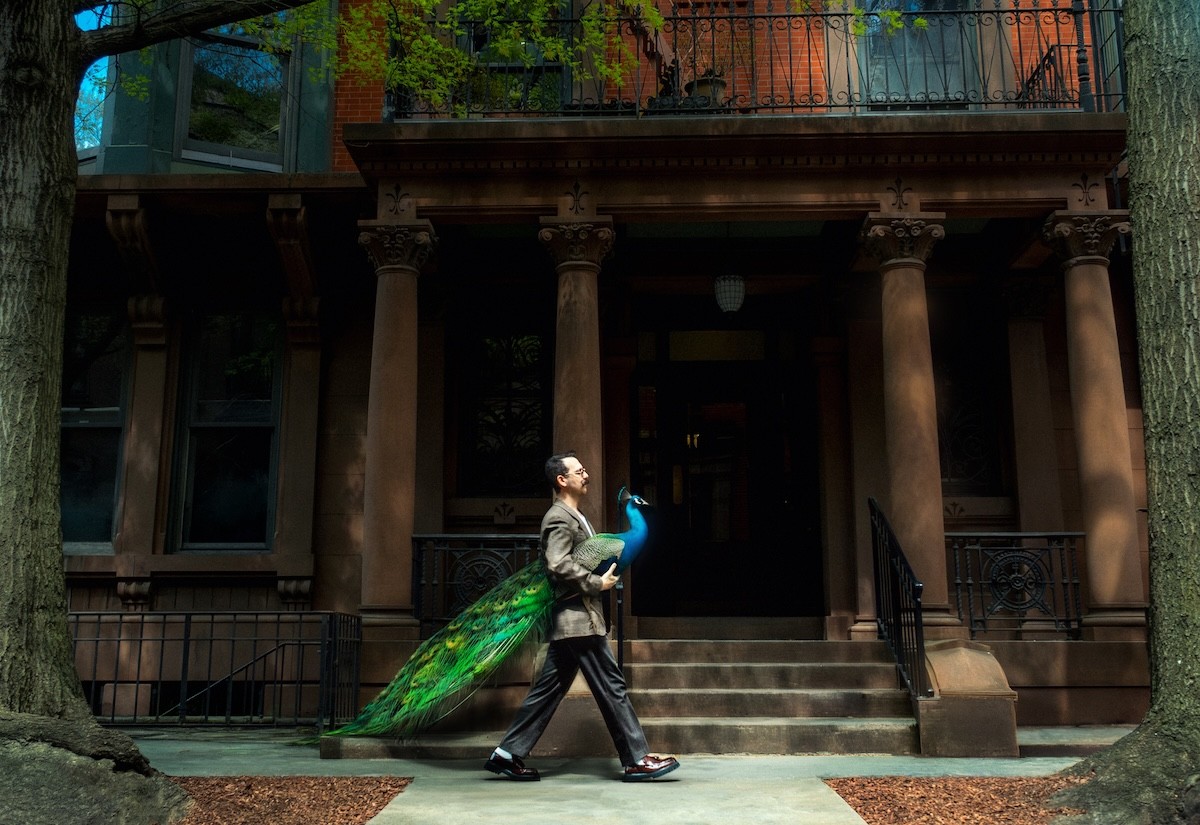
It turns out, the thing I was looking for
was a peacock named Petra.
It turns out, the thing I was looking for was a peacock named Petra.
It turns out, the thing I was looking for
was a peacock named Petra.
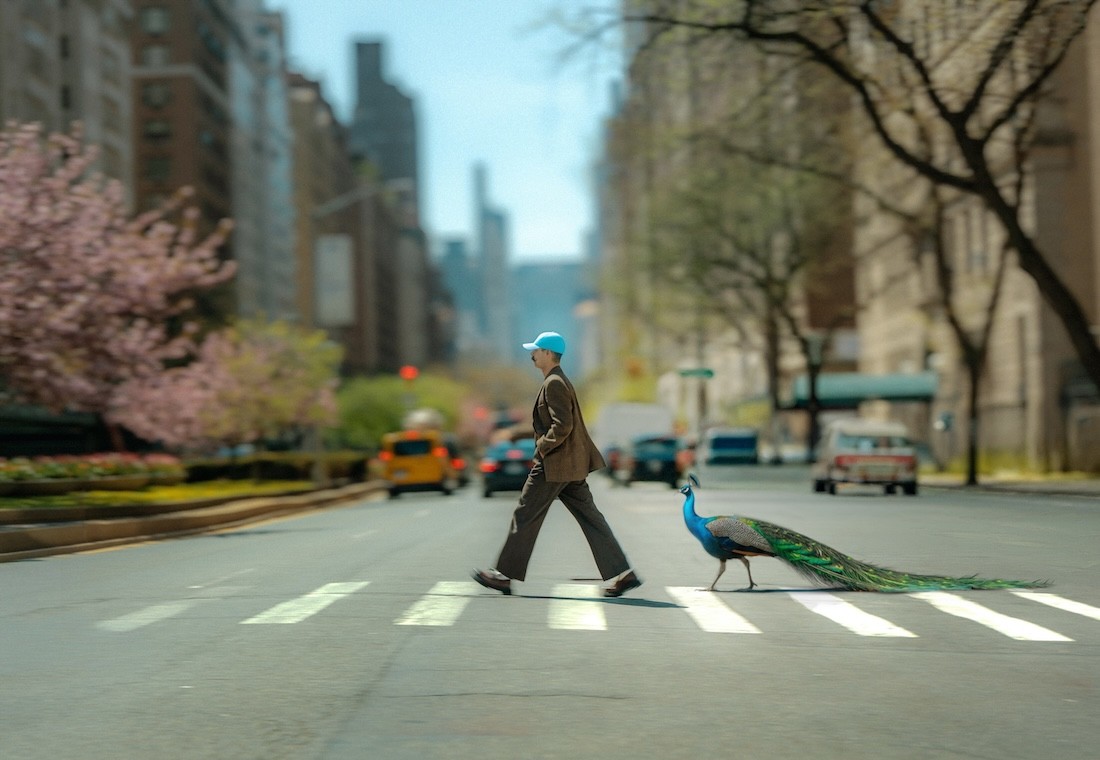
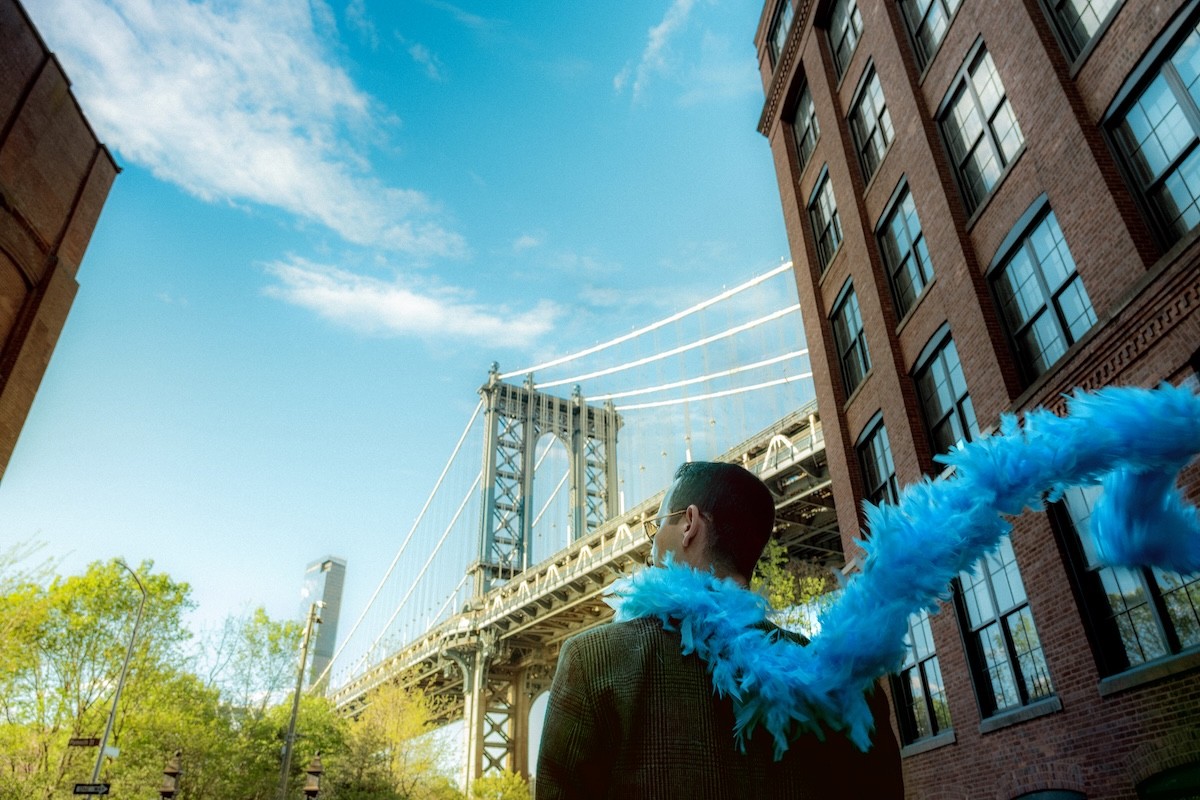
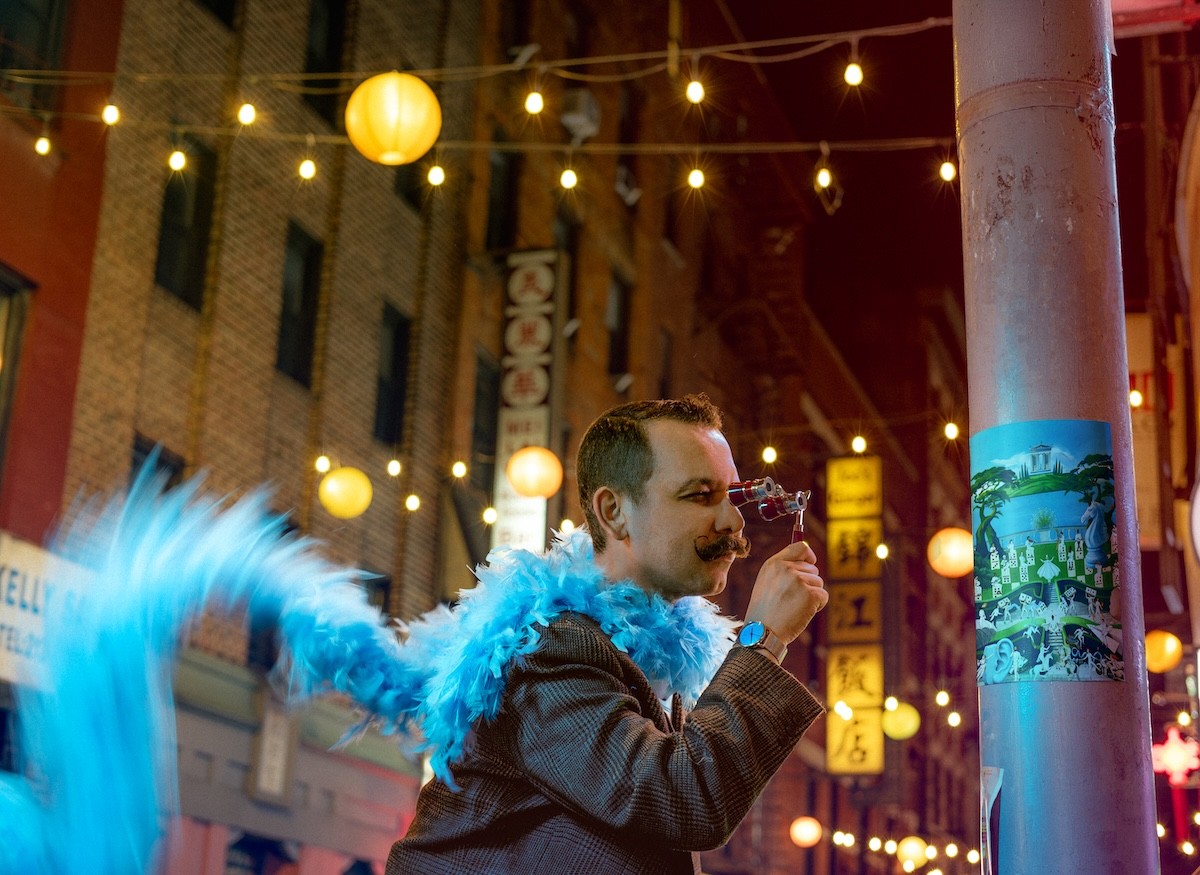
I let myself play, and ended up befriending a peacock who stalked me all the way from Park Avenue to Chinatown. Take a look at the photos on this page. Doesn't she look out of place but also completely at home in the city? I guess somewhere in between is where memorable things tend to live.
Benjamin said the presence of the original is the prerequisite of authenticity. I believe finding that prerequisite today goes through your voice. In a world of infinite copies, saying the kinds of things only you can see out loud is your aura. That's how you find the people who were already looking for you.
10 years ago, I was a 9-5er who had no idea what he'd do with his life. Today, I'm surrounded by good, young, talented people who believe in the same crazy dream. Atelier WOO is that dream — finding the voice that makes people stop, and the crowd that was waiting for it all along.
Halfway through the shoot, a woman stopped us on the street. She looked at Petra, then at me, then back at Petra. "Is she real?" she asked. "Can I pet her?" It was a legit question, given how we looked to a total stranger. So if you're wondering the same thing, I'll tell you what I told her.
She's not really used to being pet.
And only one of us is real.
I let myself play, and ended up befriending a peacock who stalked me all the way from Park Avenue to Chinatown. Take a look at the photos on this page. Doesn't she look out of place but also completely at home in the city? I guess somewhere in between is where memorable things tend to live.
Benjamin said the presence of the original is the prerequisite of authenticity. I believe finding that prerequisite today goes through your voice. In a world of infinite copies, saying the kinds of things only you can see out loud is your aura. That's how you find the people who were already looking for you.
10 years ago, I was a 9-5er who had no idea what he'd do with his life. Today, I'm surrounded by good, young, talented people who believe in the same crazy dream. Atelier WOO is that dream — finding the voice that makes people stop, and the crowd that was waiting for it all along.
Halfway through the shoot, a woman stopped us on the street. She looked at Petra, then at me, then back at Petra. "Is she real?" she asked. "Can I pet her?" It was a legit question, given how we looked to a total stranger. So if you're wondering the same thing, I'll tell you what I told her.
She's not really used to being pet.
And only one of us is real.
I let myself play, and ended up befriending a peacock who stalked me all the way from Park Avenue to Chinatown. Take a look at the photos on this page. Doesn't she look out of place but also completely at home in the city? I guess somewhere in between is where memorable things tend to live.
Benjamin said the presence of the original is the prerequisite of authenticity. I believe finding that prerequisite today goes through your voice. In a world of infinite copies, saying the kinds of things only you can see out loud is your aura. That's how you find the people who were already looking for you.
10 years ago, I was a 9-5er who had no idea what he'd do with his life. Today, I'm surrounded by good, young, talented people who believe in the same crazy dream. Atelier WOO is that dream — finding the voice that makes people stop, and the crowd that was waiting for it all along.
Halfway through the shoot, a woman stopped us on the street. She looked at Petra, then at me, then back at Petra. "Is she real?" she asked. "Can I pet her?" It was a legit question, given how we looked to a total stranger. So if you're wondering the same thing, I'll tell you what I told her.
She's not really used to being pet.
And only one of us is real.
ONLY ONE OF US IS REAL
Creative Direction, Illustrations: Oli Uygun
Art Direction & Styling: Berna Avcii
Creative Producer & Photographer: Baro Turco
Produced by atelier.woo®
2026, New York
ONLY ONE OF US IS REAL
Creative Direction, Illustrations: Oli Uygun
Art Direction & Styling: Berna Avcii
Creative Producer & Photographer: Baro Turco
Produced by atelier.woo®
2026, New York
ONLY ONE OF US IS REAL
Creative Direction, Illustrations: Oli Uygun
Art Direction & Styling: Berna Avcii
Creative Producer & Photographer: Baro Turco
Produced by atelier.woo®
2026, New York